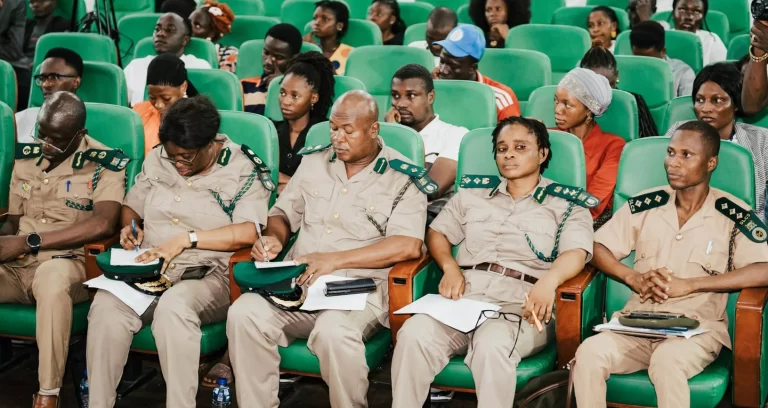
For Caritas Freetown, the growing environmental pressures facing Sierra Leone are no longer issues that can be left to government agencies or environmental specialists alone.
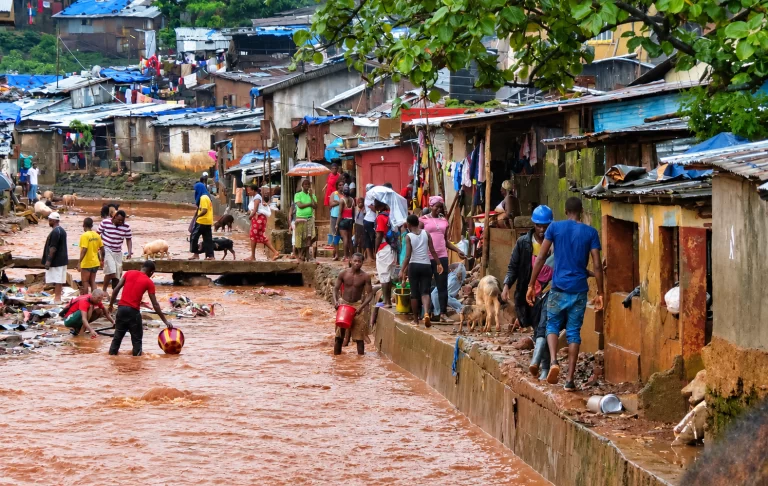
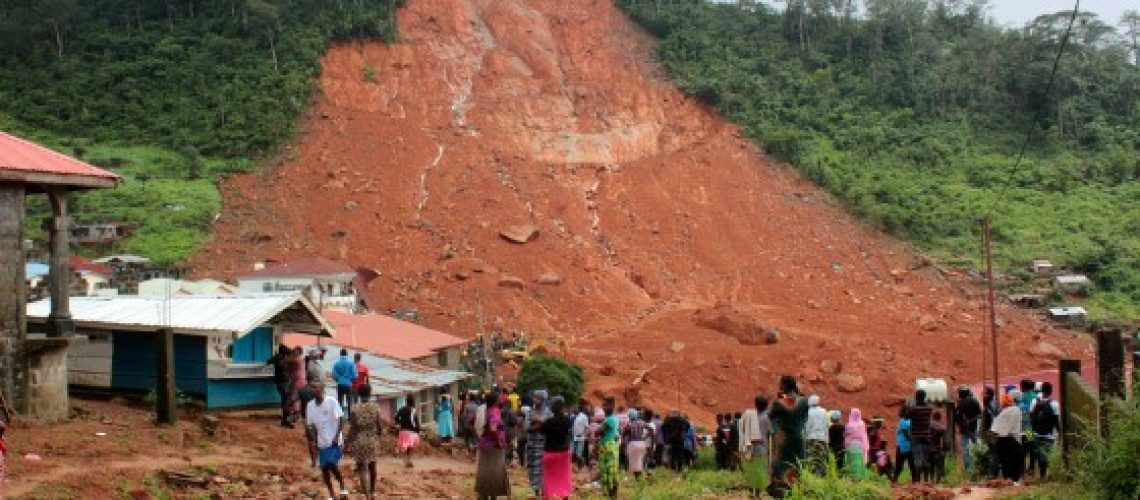
The flooding experienced in Freetown and other communities, alongside deforestation, coastal erosion, polluted waterways, poor waste disposal and destructive mining, is increasingly forcing ordinary citizens to confront the consequences of how they live and use natural resources.
Marking the 2026 World Day of Prayer for the Care of Creation, Caritas Freetown Executive Director Fr. Peter Konteh argued that the environmental crisis is also a question of responsibility and morality, warning against treating nature as “an unlimited resource or a convenient dumping ground.”
He urged families, schools, businesses, communities, parishes and public authorities to rethink everyday choices, from how waste is discarded to how forests, waterways and coastal areas are used and protected.
From Prayer to Practical Action
The message from Caritas Freetown comes as the Church begins the annual Season of Creation, running from September 1 to October 4, and places a stronger emphasis on action than symbolism.
Fr. Konteh said environmental care must be reflected in practical decisions, including reducing single-use plastics, protecting drainage systems, planting trees, conserving water and energy, improving disaster preparedness and promoting more responsible agricultural and mining practices.
He also linked environmental protection to social justice, noting that poorer and more vulnerable communities often suffer the greatest consequences of environmental degradation despite contributing least to the problem.
Drawing on the teachings of Pope Leo XIV and the late Pope Francis, Caritas Freetown is framing care for the environment as part of the wider struggle for human dignity, peace and community wellbeing. The challenge, therefore, is not simply to pray for creation, but to change the habits that continue to damage it.