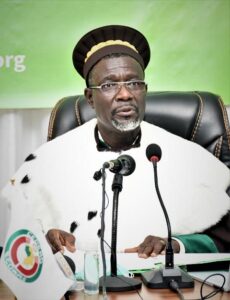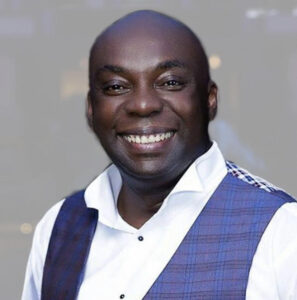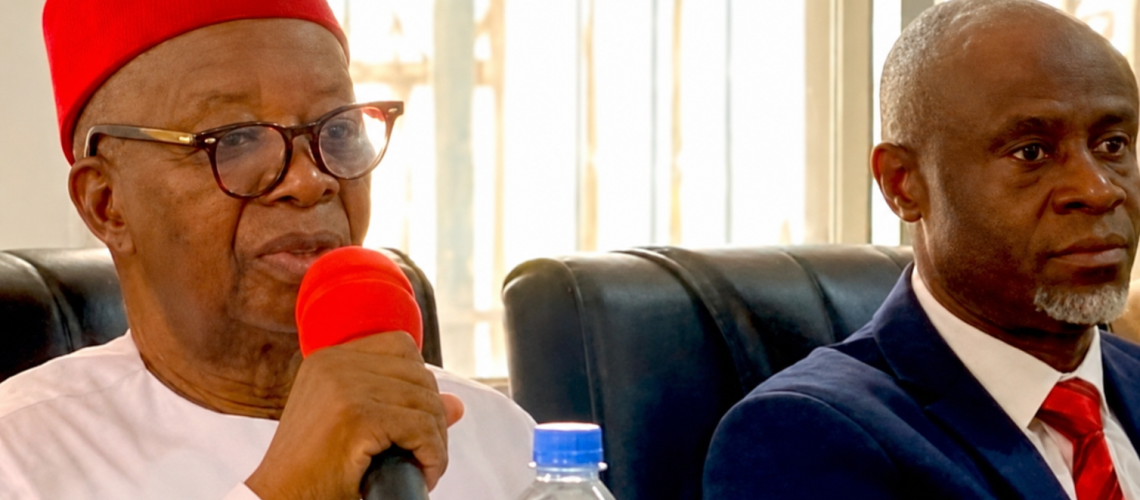
Osman Foday Yansaneh (R) and Lansana Dumbuya (L)
The High Court’s interim injunction against Osman Foday Yansaneh and Lansana Dumbuya is more than another legal headache for Sierra Leone’s main opposition party. It strikes at the very machinery the APC needs to prepare for 2028.
The order, as reported in the local media, prevents the two men from presenting themselves as National Chairman and National Secretary General respectively, convening executive meetings or running the affairs of the party until the substantive case is determined. That distinction matters: an interim injunction is not a final declaration that the plaintiffs have won, nor is it a judicial verdict on who ultimately owns the APC’s political crown.
But politically, the damage can begin long before the judge reaches the final page. The timing is particularly awkward because the APC is supposed to be moving from internal elections towards the selection of its 2028 presidential candidate and national officers. Its own 2022 Constitution provides for a National Delegates Conference to elect the National Chairman, Secretary General and other national officers, as well as the party’s Leader and Flagbearer for the 2028 presidential election.
The party has also been publishing 2026 voter and candidate registers as part of its internal electoral preparations. In other words, the APC is trying to build an electoral machine while the courts have effectively told two of its principal mechanics to put down their tools. That is not a small inconvenience. It raises questions about who has authority to convene meetings, approve decisions, communicate officially for the party and keep the internal election timetable moving. And Sierra Leoneans have seen this movie before. The APC spent years fighting internal battles in court ahead of the 2023 election, including litigation involving Alfred Peter Conteh, with Justice Adrian Fisher previously ordering processes aimed at reorganising the party and conducting its internal elections.
The uncomfortable lesson is that the APC has a remarkable talent for turning its headquarters into something resembling a legal clinic. The party cannot afford another season in which lawyers are more active than organisers.
For the APC, therefore, the real danger is not Yansaneh or Dumbuya personally. It is institutional paralysis. A party seeking to defeat an incumbent government in 2028 needs a clear chain of command, a credible membership register, functioning grassroots structures, an agreed timetable for selecting its flagbearer and, above all, confidence among competing factions that the rules will apply equally to everybody.
The 2026 internal election rules already envisage a process culminating in the election of the 2028 presidential flagbearer and the national executive. If litigation now freezes the people responsible for administering the party, the APC risks wasting the most valuable commodity in opposition politics: time. There is also a reputational issue. The party has publicly committed itself to lawful and constitutional political processes ahead of 2028, while the Electoral Commission and other national institutions are already preparing for the next electoral cycle.
The smartest response, therefore, is not to treat this injunction as another battle in the eternal APC-versus-APC war, but as an opportunity to prove that the party has finally learned the difference between winning an argument and building an institution. Its lawyers should challenge the order where appropriate; its politicians should obey it while it stands; and its factions should negotiate a temporary mechanism that keeps legitimate party business moving without prejudicing the court case.
If APC leaders genuinely believe they can defeat the SLPP in 2028, they should start behaving like a government-in-waiting rather than contestants waiting for another internal convention. Sierra Leone’s opposition does not need more dramatic courtroom entrances. It needs a referee, a rulebook and, preferably, everybody agreeing to play football before kickoff.
The 2028 election will ultimately be decided by voters, not judges. But whether the APC reaches that election as a disciplined national alternative or as a collection of factions carrying court papers may be decided much sooner.