Pune, perched on the western edge of the Deccan Plateau, enjoys a climate that is as varied as its cultural tapestry. From the mistyấy monsoon showers to the crisp winter mornings, the city’s weather rhythms influence everyday life, business operations, and the health of its residents. Understanding these patterns helps planners, commuters, and the curious alike anticipate what the skies will bring and how best to adapt.
Throughout the year, Pune experiences a temperate climate with distinct seasonal swings. The monsoon brings a cooler, dewy atmosphere while summer can be sweltering, especially in the city’s lower valleys. Winters bring cooler temperatures and occasional fog, creating a noticeably different ambiance compared to the humid summer months. The city’s unique topography – beyond the Sahyadri foothills – adds layers to these climatic nuances.
Climate Overview Across the Year
The climate of Pune is broadly categorized into three main seasons: the pre‑monsoon and monsoon (June-September), https://lesonglesdelilie.com/2026/06/12/roulette-with-live-dealer-india-certified-everything-you-need-to-know/ the summer (March-May), and the winter (November-February). Each season brings its own temperature ranges, rainfall patterns, and humidity levels গবেষণা. The pre‑monsoon phase sets the stage with rising temperatures and increasing humidity, while the monsoon brings relief from heat and a significant drop in ambient temperatures. The summer months are marked by high temperatures, while winters are comparatively mild but can be dampened by fog and lower humidity.
During winter, temperatures can dip below 12 °C, making the nights feel crisp, while the monsoon months can bring intense rainfall that may reach 200 mm in a single day. The summer season, marked by high humidity, often pushes relative humidity past 80%, creating a muggy climate. For real‑time weather updates, check the local news on TV9 Hindi news.
Pune’s latitude places it in a subtropical zone, meaning it experiences moderate temperature variations but significant monsoon influence. The city’s average annual temperature hovers around 24 °C (75 °F), but it can climb above 40 °C (104 °F) during peak summer and dip to 10 °C (50 °F) in winter nights Hau. The rainfall distribution is highly skewed, with most of the annual 900 mm occurring during the monsoon months.
During the monsoon, Pune can receive over 2000 mm of rainfall, leading to occasional flooding and humidity levels exceeding 80%. Such high humidity can make the already hot summer feel oppressive, while the cooler winters are often tempered by chilly breezes. For up‑to‑date weather updates and alerts, simply open the website.
Monsoon Dynamics and Rainfall Patterns
The monsoon arrives in early June, bringing with it a dramatic shift in Pune’s climate. The city’s rainfall is heavily dependent on the south‑west monsoon gusts that sweep across the Deccan Plateau. By mid‑July, the swear winds bring frequent showers, often lasting several hours. The average rainfall during this period can reach 200-250 mm per month, with occasional downpours exceeding 100 mm in a single day.
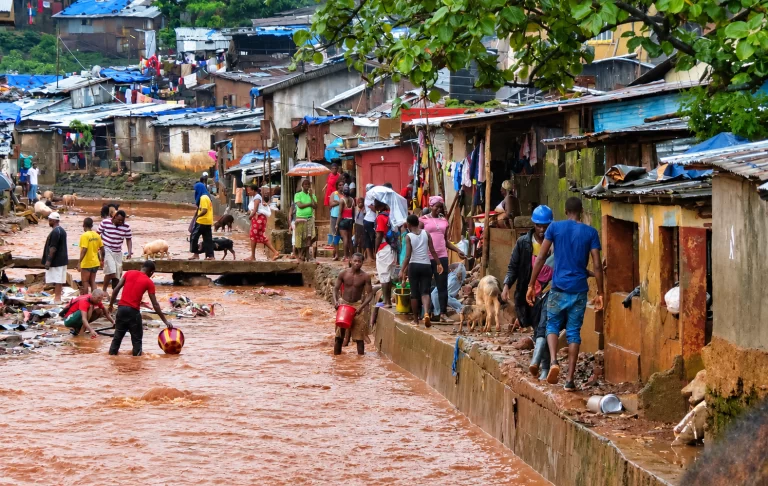
Rainfall intensity is not uniform across the city. The western hills and valleys receive higher precipitation due to orographic lift, while the eastern plains experience comparatively lesser rainfall. The monsoon also improves the river systems, replenishes groundwater, and supports the local agriculture and horticulture markets.
Post‑monsoon, the city transitions into a drier phase. The residual moisture keeps humidity levels high, but rainfall diminishes drastically. This period, often called the “post‑monsoon” or “late summer” season, is critical for pest control and water conservation measures.
Summer Heat and Air Quality
Summer in Pune is marked by scorching temperatures that can reach 38-40 °C (100-104 °F) during the peak of May. The temperatures are often accompanied by high humidity, especially from late April to early June. The city’s air quality can deteriorate during this period due to increased vehicular emissions and the use of kerosene lamps in some households. PM2.5 levels sometimes exceed recommended limits, leading to respiratory concerns.
The heat is amplified by the urban heat island effect, where concrete and asphalt surfaces absorb and re‑radiate heat, staying warmer than surroundingতা regions. This phenomenon leads to higher night-time temperatures, making it difficult for residents to cool down. Consequently, there is a spike in electricity consumption as air conditioning usage rises.
Despite these challenges, the summer season also brings opportunities for tourism and outdoor activities. However, it is essential to adopt preventive measures such as staying hydrated, wearing breathable clothing, and limiting sun exposure during peak hours.
Winter Chill and Foggy Mornings
Winter in Pune, spanning from November to February, is relatively mild compared to northern regions. Average daytime temperatures hover around 22-25 °C (72-77 °F), while nights can drop to 10-12 °C (50-54 °F). The city experiences occasional fog and mist, particularly in the western hills, which can reduce visibility and affect transportation.
Unlike the scorching summer, winter brings lower humidity levels, which can cause dry skin and respiratory issues for some. The cooler temperatures also make it more comfortable for outdoor activities and reduce the demand for air conditioning. However, the lower nighttime temperatures can increase heating needs in homes and businesses.
The winter season also sees a decline in rainfall, with most of the year’s precipitation having occurred in the monsoon months. This dryness can lead to reduced soil moisture, affecting agricultural outputs and requiring efficient irrigation practices.
Humidity, Air Quality, and Health
Humidity levels in Pune fluctuate drastically across seasons. During monsoon, relative humidity can exceed 80%, while winter sees levels drop below 50%. High humidity, paired with high temperatures, creates favorable conditions for mold growth, dust mites, and other allergens. This can aggravate asthma and allergies, especially among children and the elderly.
Air quality is a concern during both summer and monsoon. Traffic congestion, industrial activities, and the burning of waste contribute to particulate matter (PM) concentrations. The city’s pollution indices often peak during the pre‑monsoon and summer months. Health advisories recommend limiting outdoor activities, using masks, Motto, and ensuring proper ventilation inside homes.
Urban Heat Island Effect and Mitigation
(blabla) The urban heat island effect in Pune is caused by the proliferation of concrete, asphalt, and limited green cover. The result is a measurable temperature increase of up to 3-5 °C in the city centre compared to surrounding rural areas. This not only contributes to higher energy consumption but also worsens air quality.
Mitigation strategies include increasing treeuments, green roofs, and reflective paving materials. Pune’s municipal corporation has introduced green corridors in vält. These initiatives aim to reduce temperature spikes, improve air quality, and enhance residents’ overall comfort. The city’s planning documents also encourage rooftop gardens and community parks to serve as cooling buffers.
Climate Change Impact on Pune’s Weather
The تاک de climate change is evident in Pune’s weather patterns. The average annual temperature has risen by about 0.6 °C over the past decade, with more frequent heatwaves noted in recent years. Monsoon rainfall has become more erratic, featuring heavier downpours followed by prolonged dry spells. This variability has implications for water storage, agriculture, and disaster preparedness.
Recent studies reveal that the city is experiencing increased frequency of extreme weather events, including heatwaves.bmp, heavy rainfall, and flooding. The shift in the monsoon onset and retreat can affect crop yields, especially the region’s renowned vineyards and horticultural produce. The local government’s climate adaptation plans emphasize resilient infrastructure, water conservation, and public awareness campaigns.
Farmers are increasingly adopting drought‑resistant grape varieties and precision irrigation to safeguard their vineyards. The city council has unveiled a comprehensive climate resilience plan, detailed in latest research.
Planning and Preparedness for Seasonal Extremes
Effective planning is vital for coping with Pune’s seasonal extremes. Urban planners must incorporate adequate drainage systems, especially in low‑lying areas prone to flooding during monsoon. City authorities should ensure that water supply infrastructure can handle peak demand during summer heatwaves and post‑monsoon water scarcity.
For residents, early awareness of weather forecasts and weather advisories is crucial. The city’s meteorological services provide real‑time updates, while local news outlets offer localized insights. Businesses, particularly those in the hospitality and retail sectors, should adapt their operations to seasonal demand fluctuations, such as adjusting opening hours duringgao heat or offering cooler beverages during monsoon.
The Future Outlook for Pune’s Climate
As Pune continues to grow and urbanize, the city’s climate will remain a dynamic factor influencing planning, health, and daily life. Long‑term projections indicate a trend of higher average temperatures and more intense monsoon rainfall events. These changes underline the importance of resilient infrastructure, adaptive water management, and climate‑smart policies.
Urban planners will need to integrate climate adaptation into zoning, transportation, and public services. The municipal government’s focus on green infrastructure, renewable energy, and efficient waste management will be key in mitigating the environmental impact of these climatic shifts. Residents, businesses, and policymakers must collaborate to create a sustainable, climate‑resilient Pune.
How do you adjust your daily routine to Pune’s changing weather Chel? Share your experiences and tips below!