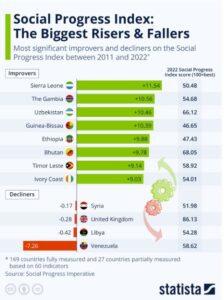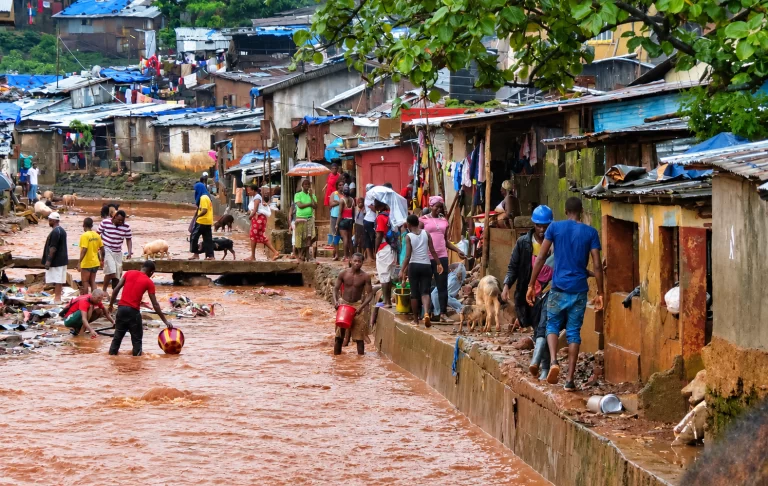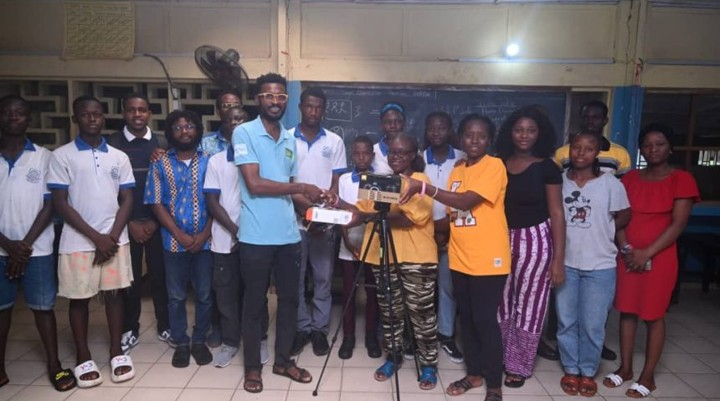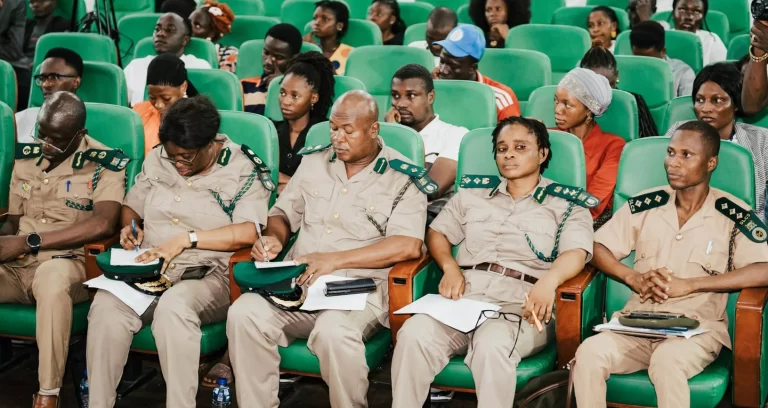
The truth is that Sierra Leone is an extremely vibrant country that is actively reinventing itself, and the ability to witness this rebirth in real-time—alongside a pleasing year-round climate, fantastic food, friendly locals, and enchanting tropical scenery—makes it a compelling destination.
By John Sizemore | July 31, 2024 | 2:05pm
Photos by John SizemoreTRAVEL FEATURES SIERRA LEONE
Sierra Leone is not your usual travel destination—at least not yet. The country has endured a fair degree of setbacks, from its role at the heart of the transatlantic slave trade, Ebola outbreaks, and a brutal civil war lasting through the 1990s that only ended relatively recently in 2002. Modern perceptions, assisted in popular culture by films such as Blood Diamond, have not been particularly kind, and undeservedly so.
The truth is that Sierra Leone is an extremely vibrant country that is actively reinventing itself, and the ability to witness this rebirth in real-time—alongside a pleasing year-round climate, fantastic food, friendly locals, and enchanting tropical scenery—makes it a compelling destination. Travellers ought to be mindful and respectful of this reinvention—and the context in which it takes place—when going there. Expect modern conveniences like cards, apps, and ATMs to be challenging to use or hard to come by. It is highly recommended to hire a tour guide to navigate the intricacies of Sierra Leone, such as getting around, making financial transactions, and handling any hiccups in your journey—in addition to having a local’s experience augment your own.
There was something about Sierra Leone that I couldn’t quite put my finger on at first. The trip started as many others in the past have—with an innocuous invitation in my inbox. I had never been to Sub-Saharan Africa, and my mind conjured images of dense jungles and rich wildlife along with the thrill of crossing another country off the list. Before long, I found myself on a plane crossing the ocean and, after a long trip, I arrived at the Freetown airport.02:24
I met the rest of my group, and we piled into a couple of vans and made our way to Tariq’s Resort in the nearby town of Lungi. Tariq’s was a pleasant introduction to this slice of West Africa, with its thatched huts hidden under dense jungle foliage creating a lovely scene as the fading sunlight dwindled in through gaps in the leaves. I took time to meander about the property before I sauntered to bed, hoping to shake off the rest of my jet-lagged stupor.
We awoke the next day and, after a quick breakfast on the patio, hopped on a boat for our morning trip to Bunce Island. Barely more than a speck on a map, this tiny island has a heavy history—upwards of 80 per cent of all enslaved Africans who were ever taken to the Americas from West Africa passed through Bunce, also known as the final “point of no return.”
As a white man who grew up in the American South, my first-hand experience with racism is essentially non-existent, exclusively taking the form of personal anecdotes relayed to me by friends of color, knowledge from books I’ve read, or my education in school growing up. As we travelled along the Sierra Leone River with the buildings of Freetown in the distance, I couldn’t help but think about how my passing knowledge of Bunce was not unlike this knowledge of racism—relegated to something I had heard or read about but had never fully experienced firsthand.
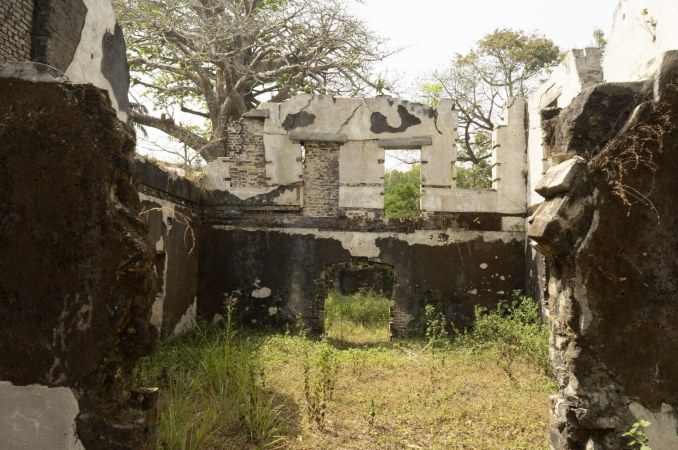
We landed on the shores of Bunce, walked past outer walls lined with old cannons worn down by time, and soon found ourselves in the centre, from where it was almost possible to see the island’s entire perimeter. The dichotomy on display unsettled me—a gorgeous ocean scene, idyllic swaying palms, and a cordial sea breeze contrasted by stark, weathered remnants of an old stone fortress and the knowledge of what used to occur in and around those walls.
Our tour guide, Peter, told us the story of Bunce as we walked the grounds, and it was within the details that I found the most disturbing. A placard informing that Georgia, South Carolina, and my home state of North Carolina were among the primary recipients of enslaved humans from this very island. An unassuming patch of grass inside the fortress or a hidden nook beside a tree around the back revealed as former torture areas. A sunny outdoor space under a shady grove outed as a former exercise and training yard. Stones that seemed randomly positioned in the woods by nature were unmarked graves. Gaps in the bottom of walls that appeared to be poorly placed windows were revealed as the final exit points where enslaved humans were passed through and led down to the shore and into the westward ships.
Even with knowledge about the horrors of slavery, coming this close to it, setting foot on the soil of this place, and seeing it with my eyes and hearing these accounts made it all the more shocking and difficult to take in. I can’t possibly know what visiting Bunce as a Black American must be like. As a visitor whose race afforded me a great deal of privilege in my home country, even though it took me days to fully process everything I had seen, I immediately knew it was important to come here. It was precisely because of my secondhand and indirect knowledge of racism—especially as a person from a state with a direct link to Bunce—that it was necessary to visit. In a time where many in the United States can’t even agree on basic facts regarding racism, its legacy to the present day, and whether or not these things even exist, this island—the soil, buildings, the grass, those stones in the woods, those little gaps in the walls—was the truth, and no amount of politics, twisting, or revisionist history could ever change that truth.
We took a little more time at Bunce, letting the gravity of this past sink in, and then crossed the water to nearby Tasso Island. We met Patience there for a tour of the Tasso Ecotourism Project, and she led us down to an invitingly decorated dining area where we all enjoyed a hearty lunch with our now prodigious appetites after the sobering morning. We learned about the ongoing projects within the space, which included an amphitheatre, library, workshops, and lodgings—all powered by green energy—perfect for learning about Sierra Leone’s nature and basing hikes into the surrounding trails filled with birds, beaches, and jungle flora. I was struck by this contrast between Tasso and Bunce—one island with a painful past, and the other symbolic of Sierra Leone’s transformation and bright future.
We then sailed to the neighbourhood of Aberdeen, occupying the tip of a cape jutting out into the Atlantic at the edge of Freetown, and docked at the Toma Resort. A short hike up a hillside path led to a leafy patio concealing a restaurant and the buildings housing our accommodations for the evening. I admired the cosy, wooden aesthetic and the intriguing African art as I traversed the warmly painted hallways to my room. We assembled back at the dock after check-in for drinks at sunset, engaging in conversation as night fell, slowly joined by the sounds of the cheerful music drifting down from the jazz band setting up in the courtyard.
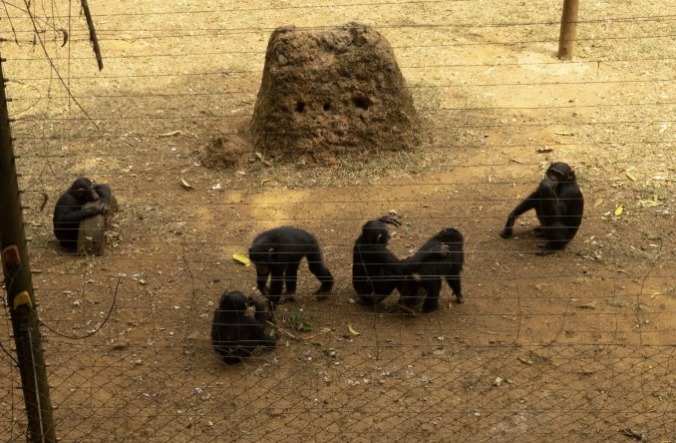
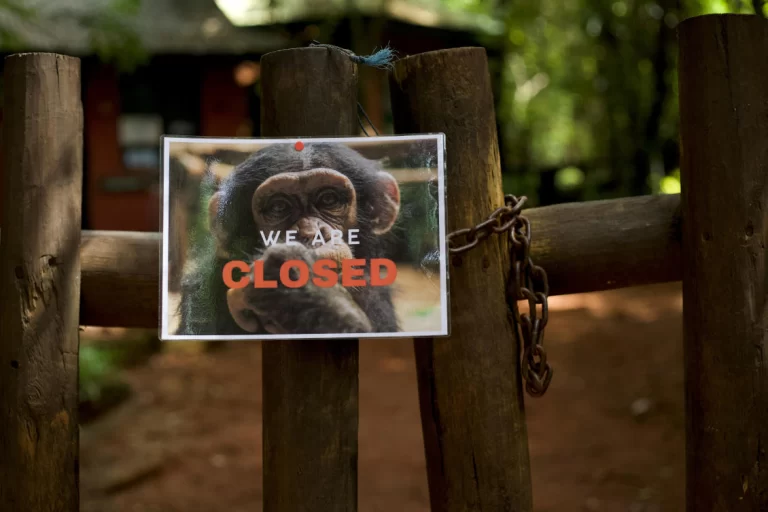
The next day would start with a trip to Tacugama, a chimpanzee sanctuary on a jungly hilltop outside Freetown. Buildings and roads eventually disappeared into a canopy of trees, leading to an enclosure with vividly colorful buildings. Tacugama opened in 1995 to protect the chimpanzees, declared the national animal of Sierra Leone in 2019, whose population had been reduced by upwards of 80 percent over the last four decades due to challenges with poaching, habitat destruction, and the civil war. We followed lively monkey screeches echoing through the forest to the main enclosure, a netted space with an elaborate rope course intermixed with other obstacles and patches of dirt for the chimps to hang out in. We learned the incredibly social nature of these fascinating animals, observing two pals engaging in playful swinging and another two friends adorably walking, with one chimp’s arm around the other, towards a group of mutual companions. Because of their strong communal bonds, the sanctuary releases the chimps together on nearby Jaibui Island, where they live happily in isolation for upwards of 60 years.
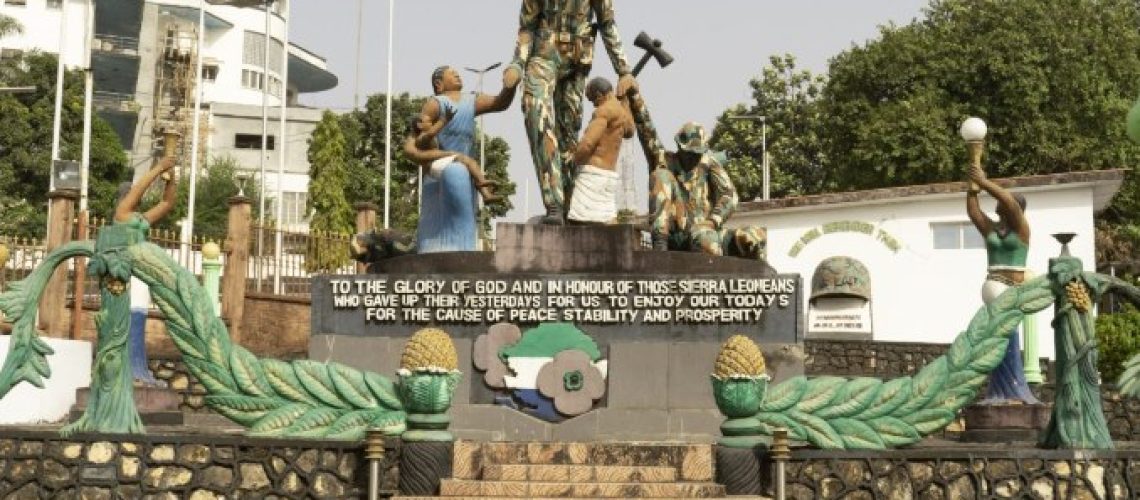
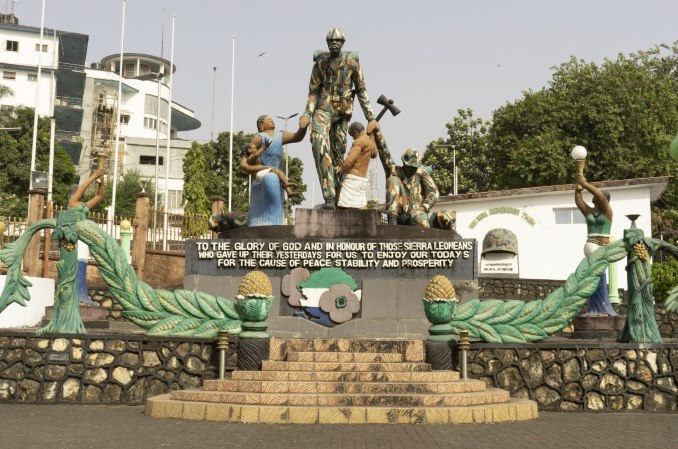
Next up was an in-depth look at Freetown. As the name implies, the city was founded by formerly enslaved people returning from Nova Scotia in the late 18th century and, over time, grew to form a strong Creole community with peoples from Europe, the Caribbean, North America, and elsewhere in Africa. We got a glimpse of this compelling history at the Sierra Leone National Museum, where elaborately crafted ritualistic outfits, wooden masks, stone sculptures, paintings, antiquated musical instruments, and photographs tell the unique story of Freetown. The ornately painted statues within the nearby Peace and Cultural Monument pay homage to the sacrifices of previous generations of Sierra Leoneans. Lying central to the area are the remains of the former Cotton Tree, a national landmark that was unfortunately felled in a past storm. Underneath the shady branches of the former tree, itself a national symbol of Sierra Leone, is where the formerly enslaved people who founded Freetown are believed to have offered their first prayers to their new home. The tree and others near it are also known to attract bats—as my group and I ate lunch at Crown Bakery a few blocks away, we were treated to the spectacle of hundreds of furry fliers swooping about the sky.
Other things to do in Freetown include the Railway Museum, which features old trains and a fun, old-timey handcar great for entertaining rides and silly photographs. A world of handmade art, clothing, jewelry, and other trinkets awaits within the two floors of stalls lining the halls of the Big Market. Check out the ruins of the Old Fourah Bay College building, whose original site here was one of the most important institutions for higher learning in West Africa. As we stood and looked at the old structure, some children who got a kick out of my camera ran up, making faces with us as we posed for amusing photographs in front of the aged facades.
While we had enjoyed a surface-level familiarity with the local cuisine by this point, a closer look would happen that evening courtesy of head chef Susan Senesie and her dining concept, Treat Food. Indicative of the Sierra Leonean hospitality, Susan welcomed us into her home and shared her philosophy on dining and creating moments where strangers become friends, which I greatly appreciated as much as I resonated with. She led us to a charming patio overlooking the city, with a white table and chairs arranged for dinner. Things kicked off in high gear with the pink hibiscus ginger beer, a sweet concoction whose flavor took me by surprise but was but a prelude to the smorgasbord of yam croquette, prawns, pot-roasted chicken, pan-fried salmon, and finally cheesecake at the end, each of which packed with unbelievable flavor to usher in a perfect night with.
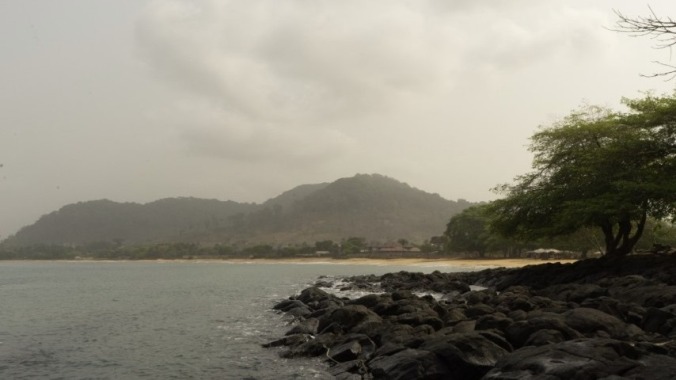
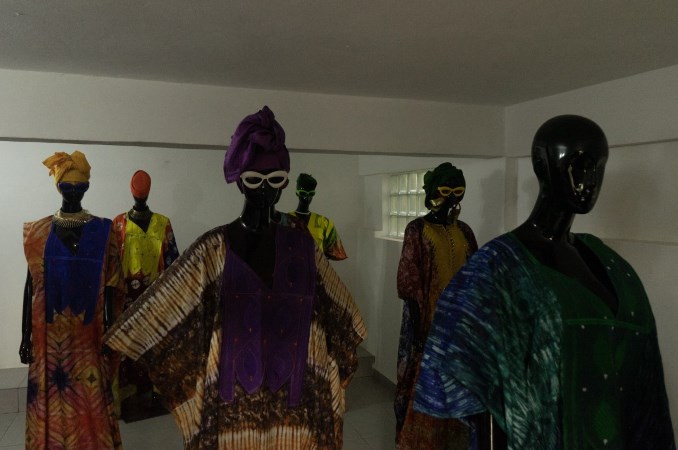
Although we had seen islands, jungles, wildlife, and had a thorough introduction into the local culture, we had yet to witness one of Sierra Leone’s beautiful beaches. We corrected this the following day with a stop at the amusingly named Number 2 River Beach, formed at the mouth of its namesake with a breathtaking mountain ridge in the background and captivating white sands peppered with beach chairs, umbrellas, and whimsical vibes ideal for a lazy day at the beach. We’d be getting another look into Sierra Leone’s vibrant spirit with an afternoon with prominent local figures such as Mary-Ann Kaikai of local fashion brand Madam Wokie, whose dazzling dresses and extravagant African-inspired fashion pieces have been seen everywhere from casual outings, weddings, models, and adorned by Idris Elba during DJ sets.
The meeting would take place during lunch at the Cole Street Guest House, where we first took a detour upstairs to enjoy the views towards the ocean before assembling in the downstairs patio. The incredible meal, consisting of savory jerk goat, sweet mocktails, red snapper, and lobster cake, had me fully immersed as Madam Wokie and the other guests, dressed in every color of the rainbow and with the personalities to match, seated themselves at an adjacent table. As we dined and enjoyed each other’s company, I scarcely noticed the band setting up in a small nook of the patio until the gradual beating of drums began reverberating in the courtyard. The food succeeded in distracting me for a time, but that was until the contortionist, wielding blazing sticks of flame periodically consumed down his throat, spider-walked his way into the parlor, followed by the impromptu dance party that broke out not long after.
As someone who believes that it is bad luck not to join a dance party if one is present during an outbreak, I got on my feet, fully revitalized from the tastes, sights, and sounds, and joined the others, including Madam Wokie herself, for a few rounds on the dance floor. Before long, time melted away, and the encroaching sunset quickly turned the greetings and festivities into heartfelt partings.
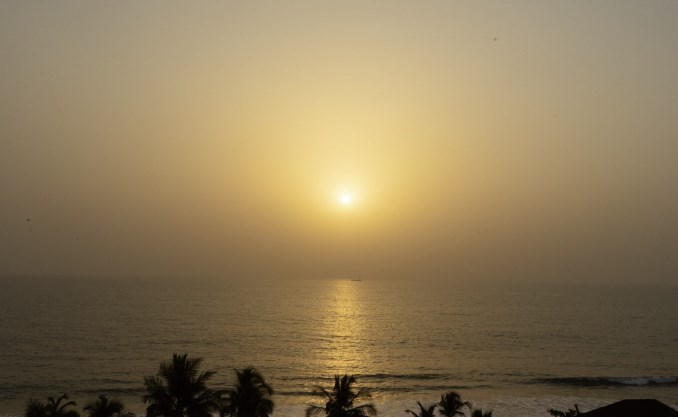
We checked into the Sierra Palms Resort back in Aberdeen, lying on a thin stretch of beach facing due west towards the Atlantic. As I watched the warm sky at sunset, I noticed that the sun didn’t simply drop below the horizon—the humidity off of the coast produced a mesmerizing visual where the solar sphere gradually “vanished” into the haze and out of sight, quickly taking the light and fiery gradients with it as the stars started twinkling from above.
The next few days would involve several trips down the shoreline, starting a few hours southeast at Banana Island. After a lengthy boat ride, we checked into the Dalton Guest House, a breezy bungalow with hammocks, a spacious dining area, and little huts comprising the accommodations, and whose proximity to the water allowed for the hypnotic sounds of the ocean at night. A few members of my group and I took a quick boat trip up from the common area to snorkel, admiring the contrast of the luminous ocean blues and the striking greens of the palms along the way. I donned a mask and flippers, and the sudden submersion of my eyes underwater revealed a hidden world teeming with life filled with red, orange, yellow, and purple sea creatures moving rhythmically beneath the waves. I let the current guide me to an underwater outcropping of rocks, where a handful of bright fish moved as if dancing inside the earthen enclosure. In no rush, we spent a little more time in the water and took the scenic route back through a quick hike in the jungle, where dinner and a pleasurable sunset swim capped the day before we retreated to our rooms.
The next day, we’d embark on a full day on the boat, sailing upwards of six hours skimming the Turtle Islands before reaching Sherbro Island. Both places offer a captivating look into the quieter, more nature-filled sides of Sierra Leone, with fishing, snorkeling, diving, and more jungle excursions filled with African flora and fauna. After a long day on the water, we arrived at the Bonthe Holiday Village. The rooms, housed within cute concrete structures, were connected with crisscrossing walkways surrounded by grass and flowery gardens that all led to a central common space. With hungry stomachs after many hours at sea, we assembled for some hot chicken and vegetables for dinner before retiring to our rooms.
Leaving Bonthe and taking dirt roads through the backcountry heading northwest, we eventually stopped in Bureh Beach for lunch and met local surfer Kadiatu Kamara. Bureh Beach has made a name for itself as a premier surfing destination in Sierra Leone, offering some of the best breaks and swells found in West Africa. The scenery didn’t hurt either—the palms framing rolling mountains fading into mist in the background, orange sands, piercing blue waters, and mossy rocks with a radiant emerald tint formed a palette of color offering excellent photographs of the alluring beach. We checked back into the Sierra Palms Resort for our last night, sharing one final outing with drinks at a lively establishment on the street below, fully in the throes of the festive spirit of Saturday night.
It was over the sound of the crashing Atlantic swells, with merry chatter surrounding me as we enjoyed each others’ company one last time before going our separate ways, that my mind started fully registering that the trip was ending, and I became aware that something had changed within me. A good travel experience will create core memories and change the way one sees the world, but a great travel experience is one that travels with you long after you’ve left.
I couldn’t then define fully what that special something about Sierra Leone was, and I still can’t quite define it now. It could be the verdant scenery, the chimpanzees, or the unforgettable look of the ocean. Maybe it was the hospitality of the locals and the incredible cuisine that I encountered repeatedly. Perhaps it was the history, some of it so closely tied to my own home. Maybe it was the resilience and strength in the face of that history and the country’s rebirth happening in real-time, and the hope and possibility it inspires not just for Sierra Leone but for my own country as well. It could be all of these things simultaneously, and maybe their combination amounts to something that can’t really be broken down through mere means of words or logic, yet the heart perceives it nonetheless. Regardless of the reasons how or why, one fact remains: Sierra Leone will always travel with me, long after I’ve left.
John Sizemore is a travel writer, photographer, yoga teacher, and visual entertainment developer based out of Austin, Texas. Follow him on Instagram at @sizemoves. In his downtime, John likes to learn foreign languages and get immersed in other worlds, particularly those of music, film, games, and books in addition to exploring the world.