Sierra Leone’s local food production has already seen progress, with rice imports decreasing by 33% and significant growth in onion cultivation
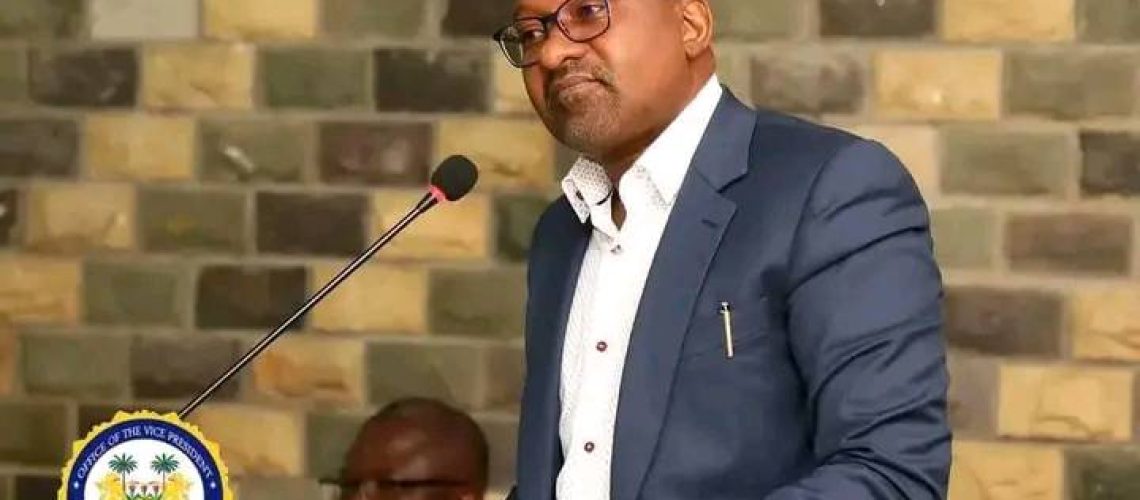
Vice President Dr. Mohamed Juldeh Jalloh has inaugurated the “Strengthening Resilience in Food Systems Transformation” workshop and calls for collaboration, coordination and a systematic approach to achieving food security.
In his keynote address, on Thursday 12 Sept 2024 at the Bintumani Hotel in Freetown, Vice President Jalloh stressed the critical need for coordination among key stakeholders, including government ministries, development partners, and civil society, to effectively transform the country’s food systems. He noted that Sierra Leone’s heavy reliance on food imports, particularly rice, has contributed to the rising cost of living and undermined domestic food production.
Addressing this challenge, he called for a systemic approach, emphasising that only through strong coordination can Sierra Leone achieve its food security goals.
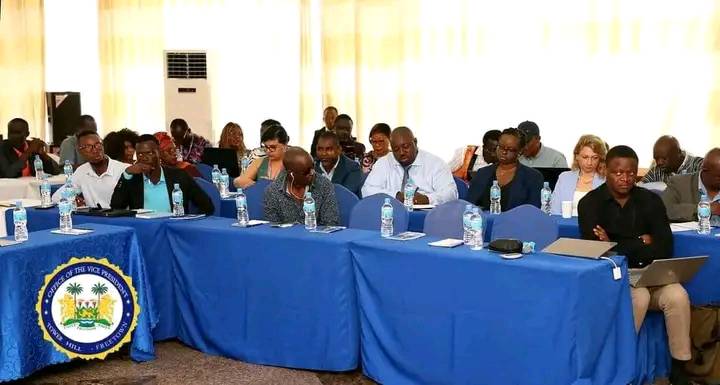
Vice President Jalloh highlighted the severe impact of food insecurity on rural households, especially those in remote areas like Falaba, where poor road infrastructure makes it difficult to access markets.
He cited the government’s “Feed Salone” initiative as a key strategy to boost agricultural productivity, reduce the country’s dependence on imports, and prioritise nutrition and food security in healthcare.
The Vice President revealed that local food production has already seen progress, with rice imports decreasing by 33% and significant growth in onion cultivation. He also announced a substantial increase in the national budget allocation for agriculture, from 2% to 7%, to further strengthen the sector.
In addition to food production, Dr. Jalloh emphasised the importance of climate-sensitive agricultural practices and the need for investments in renewable energy to support sustainable farming.