This perspective invites readers to reconsider the narratives surrounding global health events and to critically examine the colonial legacies that still shape the ontology of Black lives today
A new book titled Antiblackness and Global Health: A Response to Ebola in the Colonial Wake by Lioba Hirsch has shed light on the deep connections between historical colonial practices and the modern-day handling of infectious diseases in Sierra Leone.
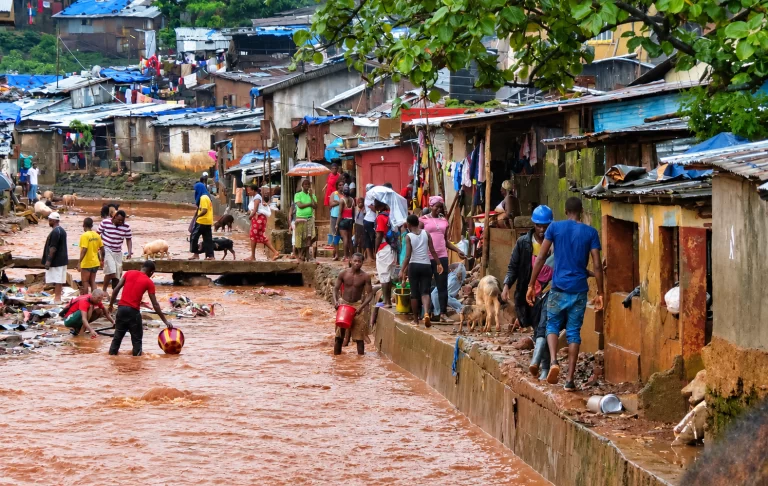
The book draws unsettling parallels between the British colonial medical practices during the transatlantic slave trade and the resettlement of freed slaves, and the response to the 2014-2016 Ebola virus outbreak in the country. Hirsch argues that colonial health management strategies are not just relics of the past but continue to influence how Black communities, particularly in Sierra Leone, are treated in the realm of global health today.
Hirsch’s analysis centers on the concept of antiblackness, revealing how the ideologies and practices of the colonial era persist in contemporary global health governance. She posits that while not everything is rooted in antiblackness, many current practices are linked to supremacist modes of thinking and governing.
This perspective invites readers to reconsider the narratives surrounding global health events and to critically examine the colonial legacies that still shape the ontology of Black lives today. By placing the international response to the Ebola outbreak within the broader context of colonialism, Hirsch categorizes it as part of the enduring aftermath of antiblack violence that has historically and geographically defined Sierra Leone.
The book challenges the conventional grammar with which global health events are often written, urging readers to recognize the lingering effects of colonialism in health management practices. Hirsch’s work contributes to the growing discourse on the impact of colonial histories on contemporary global health policies and offers a compelling critique of how these legacies continue to affect the treatment and perception of Black communities in Sierra Leone and beyond.